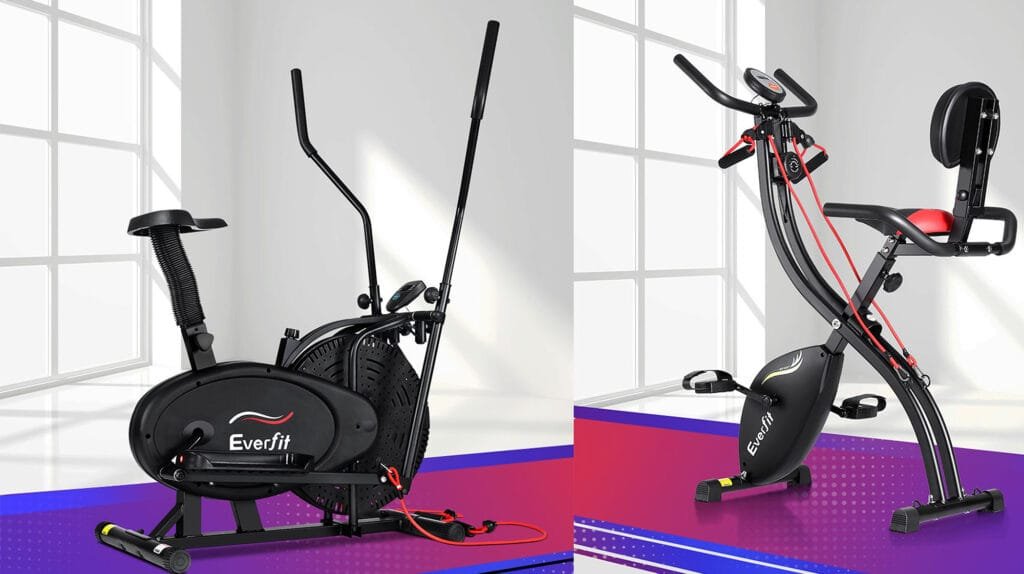
Unlock Your Fitness Potential: The Ultimate Guide to Exercise
Exercise is more than just a routine; it’s a journey towards a healthier, stronger you. Whether you’re a fitness enthusiast, a home gym owner, or a commercial gym buyer, understanding the fundamentals of exercise can significantly enhance your fitness experience. In this guide, we’ll delve into effective training tips, various exercise types, and how to tailor workouts to suit your lifestyle.
Why Exercise Matters
Engaging in regular physical activity is vital for maintaining overall health and well-being. Here are a few reasons why exercise should be a staple in your daily routine:
- Improved Physical Health: Regular exercise boosts cardiovascular health, strengthens muscles, and increases flexibility.
- Mental Well-being: Physical activity releases endorphins, which help reduce stress and improve mood.
- Enhanced Energy Levels: Exercise can increase your stamina and energy, making everyday tasks easier.
- Social Connections: Joining group classes or gym sessions fosters community and motivation.
Types of Exercise
Understanding the different types of exercise can help you create a balanced and effective workout routine. Here are the main categories:
1. Aerobic Exercise
Aerobic exercises, also known as cardio, are excellent for improving cardiovascular fitness and burning calories. Common forms include:
- Running or jogging
- Cycling
- Swimming
- Jumping rope
- Dancing
2. Strength Training
Strength training focuses on building muscle and enhancing strength. Incorporate these exercises into your routine:
- Weightlifting (free weights or machines)
- Bodyweight exercises (push-ups, squats, lunges)
- Resistance band workouts
3. Flexibility and Balance
Flexibility and balance exercises help improve your range of motion and reduce the risk of injury. Consider:
- Yoga
- Pilates
- Static stretching
Creating Your Exercise Plan
To maximise your fitness potential, it’s essential to have a structured exercise plan. Here’s how to design one:
1. Set Clear Goals
Define what you want to achieve with your exercise routine. Are you looking to lose weight, build muscle, or improve endurance? Clear goals will keep you motivated.
2. Choose Activities You Enjoy
Engaging in exercises that you enjoy will make it easier to stick to your routine. Try different activities and find what resonates with you.
3. Incorporate Variety
Mixing various types of exercises keeps your routine exciting and targets different muscle groups. Consider alternating between cardio, strength training, and flexibility workouts.
4. Schedule Your Workouts
Consistency is key. Set aside time each week for your workouts and treat these sessions as appointments you can’t miss.
5. Listen to Your Body
Pay attention to how your body responds to exercise. Rest when needed and adjust your routine to avoid burnout or injury.
Effective Training Tips
To help you get the most out of your exercise routine, here are some practical training tips:
- Warm-Up: Always begin with a warm-up to prepare your body for exercise. This can include light cardio and dynamic stretches.
- Progress Gradually: Increase the intensity, duration, or frequency of your workouts gradually to avoid injury.
- Stay Hydrated: Drink plenty of water before, during, and after exercise to keep your body hydrated.
- Track Your Progress: Keep a record of your workouts to monitor improvements and stay motivated.
- Rest and Recover: Allow your body time to recover between workouts, especially after intense sessions.
Sample Weekly Exercise Plan
Here’s a sample weekly exercise plan to help you get started:
| Day | Focus | Activity |
|---|---|---|
| Monday | Cardio | 30 minutes of running/jogging |
| Tuesday | Strength | Upper body weightlifting (chest, back, arms) |
| Wednesday | Flexibility | Yoga or Pilates session |
| Thursday | Cardio | Cycling or swimming for 30 minutes |
| Friday | Strength | Lower body weightlifting (legs, glutes) |
| Saturday | Active Recovery | Light walking or recreational sports |
| Sunday | Rest | Rest day |
Conclusion
Exercise is a vital component of a healthy lifestyle, offering numerous physical and mental benefits. By understanding the different types of exercise, creating a structured plan, and incorporating effective training tips, you can unlock your fitness potential. Remember, the journey to fitness is a personal one, and it’s essential to find what works best for you. Now, get out there, stay active, and enjoy the process!
FAQ
1. How often should I exercise each week?
It’s generally recommended to aim for at least 150 minutes of moderate aerobic activity or 75 minutes of vigorous activity each week, along with two days of strength training.
2. What are some good exercises for beginners?
Beginner-friendly exercises include walking, bodyweight squats, push-ups, lunges, and light resistance band workouts.
3. How can I stay motivated to exercise regularly?
Set clear goals, track your progress, work out with a friend, and try new activities to keep your routine exciting and maintain motivation.
4. Is it better to work out in the morning or evening?
It depends on your personal preference and schedule. The best time to exercise is when you can consistently fit it into your routine.
5. Should I stretch before or after my workout?
Dynamic stretching is best before workouts to prepare your muscles. Static stretching should be done after workouts to help with recovery.
6. How can I avoid injury during exercise?
Warm up properly, use correct form, progress gradually, and listen to your body to help prevent injuries during exercise.