Preventing Injuries in Home Gym Workouts
Working out at home offers convenience and flexibility, but it’s important to prioritise safety to prevent injuries. This guide will explore key strategies to maintain safety while exercising in your home gym.
Understanding Common Home Gym Injuries
Before diving into prevention strategies, it’s crucial to understand common injuries that occur in home gyms. These include muscle strains, joint injuries, and back pain. Identifying these risks can help you take proactive steps.
Essential Safety Tips for Home Workouts
- Warm-Up Properly: Always start with a 5-10 minute warm-up to prepare your muscles.
- Use Correct Form: Proper technique reduces the risk of injury and enhances workout effectiveness.
- Stay Hydrated: Keep water nearby to stay hydrated throughout your workout.
- Invest in Quality Equipment: Purchase reliable gear from trusted sources, such as our Gym & Fitness store.
What You Can DIY vs When to Call a Pro
Many workout routines and equipment setups can be done on your own, but certain situations might require professional assistance:
DIY Tasks
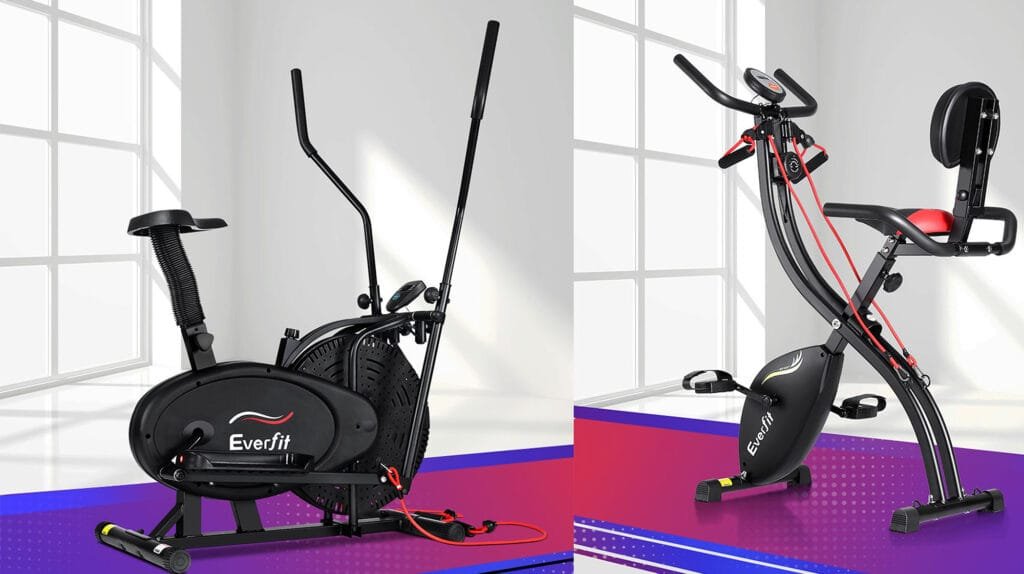
- Setting up basic gym equipment like free weights and exercise bikes.
- Following guided workout videos.
- Routine equipment maintenance and cleaning.
When to Call a Pro
- Installing complex equipment such as weightlifting machines.
- If you experience persistent pain or an injury that does not improve.
Maintaining Your Home Gym Equipment
Regular maintenance of your home gym equipment is essential to prevent accidents and prolong the lifespan of your gear. Clean machines after use, check for wear and tear, and ensure all parts are functioning correctly.
Book Online for Professional Assistance
If you need professional assistance with your home gym setup or equipment maintenance, consider booking an expert online for tailored support.