Gym Equipment Safety: A Comprehensive Guide to Staying Injury-Free
Whether you are setting up a home gym or hitting a commercial gym in Australia, understanding gym equipment safety is crucial. In this guide, we’ll explore various tips to ensure your workouts remain injury-free.
Understanding the Importance of Gym Equipment Safety
Gym equipment can greatly enhance your fitness routine, but it also poses risks if not used correctly. Understanding these risks is the first step to prevention. Misuse can lead to injuries such as muscle strains or worse.
Basic Safety Tips for Using Gym Equipment
Here are some fundamental safety tips:
- Read Instructions: Always read the manufacturer’s instructions before using any equipment.
- Warm-Up Properly: Engage in a light warm-up to prepare your muscles.
- Use Equipment for Intended Purposes: Avoid improvisations that can lead to injury.
- Check Equipment Condition: Regularly inspect equipment for any signs of wear or damage.
- Keep Area Clear: Ensure that your workout area is free from obstacles.
What You Can DIY vs. When to Call a Pro
For home gym setups, regular maintenance can often be DIY. However, call a professional if you notice mechanical issues or need assembly assistance. For commercial gyms, always report any faulty equipment to the staff immediately.
Safety Tips for Specific Gym Equipment
Different equipment requires different safety measures. Here’s a breakdown:
Treadmills
Ensure the treadmill is stable. Start at a slow pace and gradually increase speed. Always use the safety clip.
Free Weights
Use collars on dumbbells and barbells to prevent weights from sliding. Lift with proper form and avoid lifting beyond your capacity.
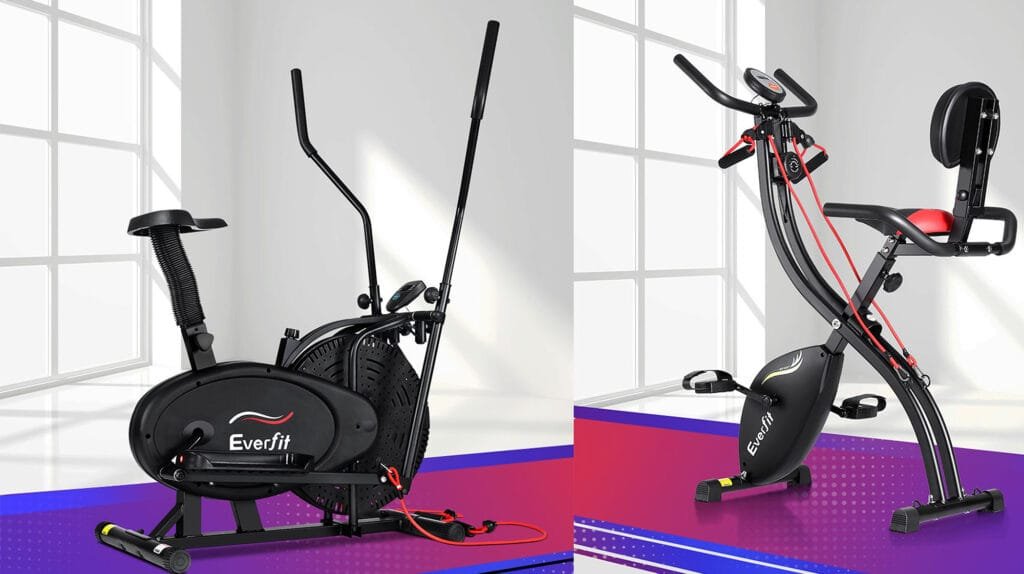
Exercise Bikes
Adjust the seat and handlebars to your height. Maintain a firm grip and use the pedal straps.
Preventing Common Gym Injuries
Injuries can range from minor sprains to serious conditions. Here’s how you can prevent them:
- Listen to Your Body: Never ignore pain. Stop immediately if you feel discomfort.
- Progress Gradually: Increase intensity gradually to allow your body to adapt.
- Stay Hydrated: Drink water to maintain hydration and optimal muscle function.
Creating a Safe Home Gym Environment
When setting up a home gym, consider the following:
- Choose a spacious, well-ventilated area.
- Invest in quality equipment like gym mats to protect floors.
- Keep emergency contacts and a first aid kit handy.
Checklist for Regular Gym Equipment Maintenance
| Task | Frequency |
|---|---|
| Inspect equipment for damage | Weekly |
| Lubricate moving parts | Monthly |
| Check for loose screws or bolts | Weekly |
| Clean and sanitize surfaces | Daily |
Conclusion: Staying Safe in the Gym
By following these safety tips, you can ensure a safer workout environment. Whether you’re at home or in a public gym, vigilance is key. For more equipment options, shop now at Fitness Equipment Store.
Book a Session with a Personal Trainer
If you’re uncertain about equipment use, consider booking a session with a personal trainer. They can offer professional guidance tailored to your fitness goals.