How to Choose the Right Home Gym Equipment for Your Australian Home
Creating a home gym can be a rewarding investment in your health and wellbeing. In Australia, with our unique climate and lifestyles, choosing the right equipment is essential for effective workouts. This guide will help you navigate your options and select the perfect home gym setup.
1. Assess Your Fitness Goals
Before purchasing any equipment, consider what you want to achieve with your home workouts. Are you focusing on weight loss, muscle building, or general fitness? Your goals will dictate the type of equipment you need.
2. Understand Your Space Limitations
Home gyms come in all shapes and sizes. Measure your available space to ensure the equipment fits comfortably. For smaller spaces, consider multi-functional machines that offer various exercises in one piece of equipment.
Recommended Equipment for Small Spaces
- Folding treadmills
- Compact weight benches
- Adjustable dumbbells
3. Determine Your Budget
Set a realistic budget for your home gym. Remember, quality equipment may require a higher initial investment but often provides better longevity and effectiveness. Consider visiting our selection of free weights for cost-effective options.
4. Decide on Essential Equipment
While each home gym is unique, certain equipment is widely beneficial. Here’s a checklist to guide your purchases:
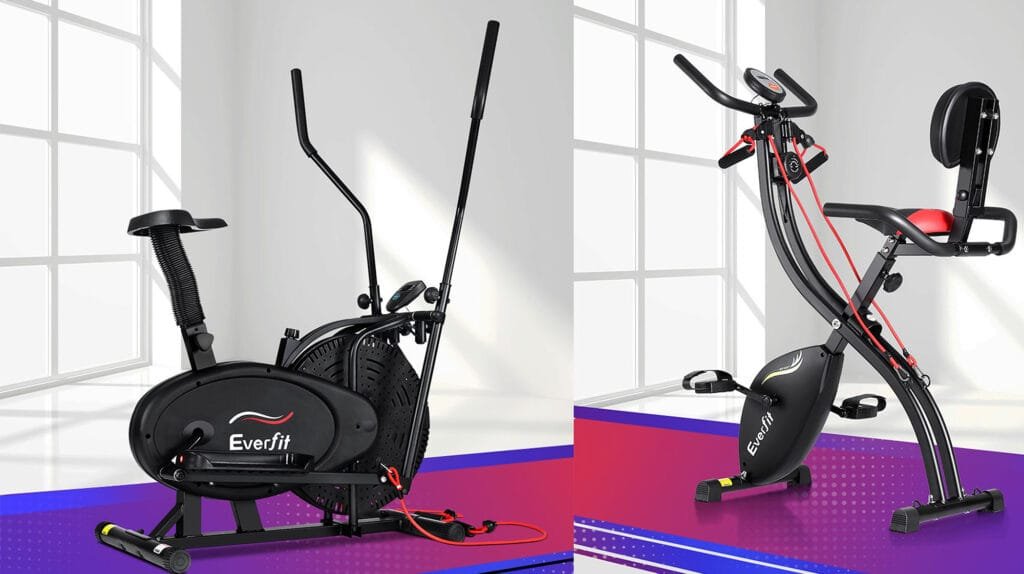
- Treadmill or exercise bike
- Adjustable dumbbells
- Yoga mat
- Resistance bands
- Weight bench
5. What You Can DIY vs When to Call a Pro
Some gym setups are simple DIY projects, while others require professional installation. DIY projects could include setting up free weights and yoga mats. For more complex equipment like treadmills or weightlifting machines, it’s often wise to hire a professional for safety and proper assembly.
DIY Home Gym Tips
- Use online tutorials for assembling simple equipment.
- Ensure proper flooring to protect your home and equipment.
6. Consider Climate and Ventilation
Australia’s diverse climate means you must consider temperature control and ventilation. Ensure your home gym space is well-ventilated and consider equipment like gym mats that withstand heat and humidity.
7. Shop Smart and Save
When buying equipment, look for sales and bundle deals to save money. Visit our free shipping category to cut costs further.
Conclusion
Building your home gym is a journey that requires careful planning and consideration. Use this guide to make informed decisions that align with your fitness goals, space, and budget. Ready to start your home gym journey? Browse our collection or book online for professional advice today!